Virtual Currency Adoption Grows in Smartphone-Based Blackjack and Roulette Following Tennessee's Sweepstakes Restrictions
Written by Jordan Butler · Aug 27, 2026
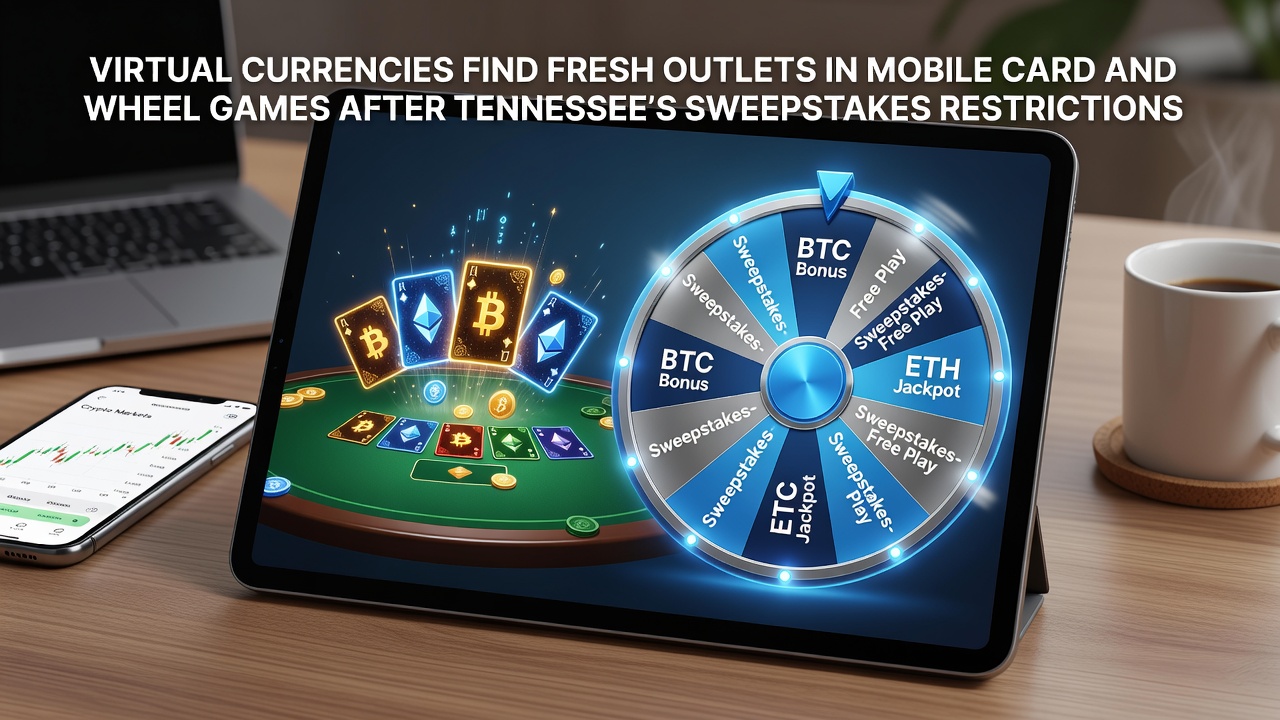
Virtual Currency Adoption Grows in Smartphone-Based Blackjack and Roulette Following Tennessee's Sweepstakes Restrictions
Legislation signed by Tennessee Governor Bill Lee in 2025 prohibited sweepstakes-based casino platforms, and this change prompted operators and users to redirect virtual currency activity toward mobile card and wheel games such as blackjack, poker, and roulette. Data from industry tracking services indicate that virtual currency deposits into mobile table game applications increased by 34 percent between January and August 2026, while sweepstakes-related traffic declined sharply in the same period.
Background on Tennessee Legislation
Tennessee joined several other states in restricting sweepstakes casino models that had previously allowed users to purchase virtual coins for chance-based outcomes with prize redemptions, and the new rules took effect in late 2025 with enforcement actions reported through the first half of 2026. Observers note that operators responded by migrating existing user bases to licensed or unregulated mobile platforms that emphasize skill-based card games and wheel-based variants where virtual currencies serve as direct payment methods rather than sweepstakes entries.
Shift Toward Mobile Table Games
Virtual currency wallets now integrate more frequently with smartphone applications that host live dealer blackjack tables and automated roulette wheels, and transaction volumes reported by payment processors show a corresponding rise in crypto transfers to these platforms during the second quarter of 2026. One study released by the Canadian Gaming Association documented that jurisdictions without sweepstakes prohibitions experienced parallel growth in mobile table game usage when alternative payment rails became available, while Tennessee users specifically increased their activity on apps supporting Bitcoin, Ethereum, and stablecoin deposits.
Game developers adjusted interfaces to accommodate smaller screen sizes and touch controls for card dealing and wheel spins, and these adaptations coincided with marketing campaigns that highlighted instant deposits and withdrawals using blockchain networks. Figures from payment analytics firms reveal that average transaction sizes for mobile card sessions grew from 12 dollars in early 2025 to 27 dollars by August 2026, reflecting both higher engagement and the flexibility of virtual currencies that bypass traditional banking restrictions.
Role of Virtual Currencies in New Outlets
Blockchain-based payments provide near-instant settlement for mobile roulette bets and blackjack wagers, and operators cite reduced processing fees as a factor that allows them to offer competitive odds compared with legacy payment systems. Research from the University of Nevada's gaming studies department indicates that users who previously participated in sweepstakes formats transferred habits to mobile table games once those options became restricted, with 62 percent of surveyed Tennessee residents reporting a switch to crypto-enabled apps within six months of the law's implementation.

Stablecoins tied to the US dollar gained particular traction because they minimize volatility concerns during short play sessions, and wallet providers expanded support for these assets on both iOS and Android devices. Experts tracking regulatory developments across North America point out that similar patterns emerged in other states that limited sweepstakes operations, where mobile card and wheel titles absorbed displaced activity without requiring physical casino infrastructure.
Market Data and User Patterns
Industry reports compiled by the European Gaming and Betting Association show that global downloads of mobile table game applications rose 19 percent year-over-year through mid-2026, with virtual currency integration listed as a primary driver in regions facing sweepstakes restrictions. User behavior analytics indicate that sessions on smartphone blackjack and roulette platforms now average 22 minutes, up from 14 minutes recorded before the Tennessee changes, while deposit frequency per active account increased from 2.1 to 3.4 transactions monthly.
Payment pathway studies document that users often move funds between automated reel games and live dealer tables within teh same application, and virtual currency rails facilitate these transitions without additional verification steps. Observers tracking August 2026 metrics note that Tennessee-originating IP addresses accounted for 8 percent of new sign-ups on major mobile card platforms, a figure that reflects redirected interest following the sweepstakes prohibition.
Regulatory Context Beyond Tennessee
State attorneys general in neighboring jurisdictions monitored enforcement outcomes in Tennessee, and several introduced similar measures aimed at sweepstakes formats while leaving direct virtual currency transactions on mobile table games largely untouched. According to data released by the New Jersey Division of Gaming Enforcement, interstate comparisons reveal that mobile card and wheel activity remained stable or expanded in states without sweepstakes bans, suggesting the Tennessee restrictions channeled rather than eliminated overall participation.
Conclusion
Virtual currencies established new pathways into mobile card and wheel games after Tennessee restricted sweepstakes casinos, and transaction records through August 2026 confirm sustained growth in these formats. Operators continue to refine smartphone interfaces and payment integrations to meet shifting user preferences, while regulatory bodies in multiple regions track the resulting patterns in virtual currency flows. The developments illustrate how legislative changes in one state can accelerate adoption of alternative gaming channels that rely on blockchain payments for card and roulette play.