Tennessee's Crypto Pivot: How Encrypted Deposits Are Fueling Shifts From Sweepstakes Apps to Portable Strategy Tables

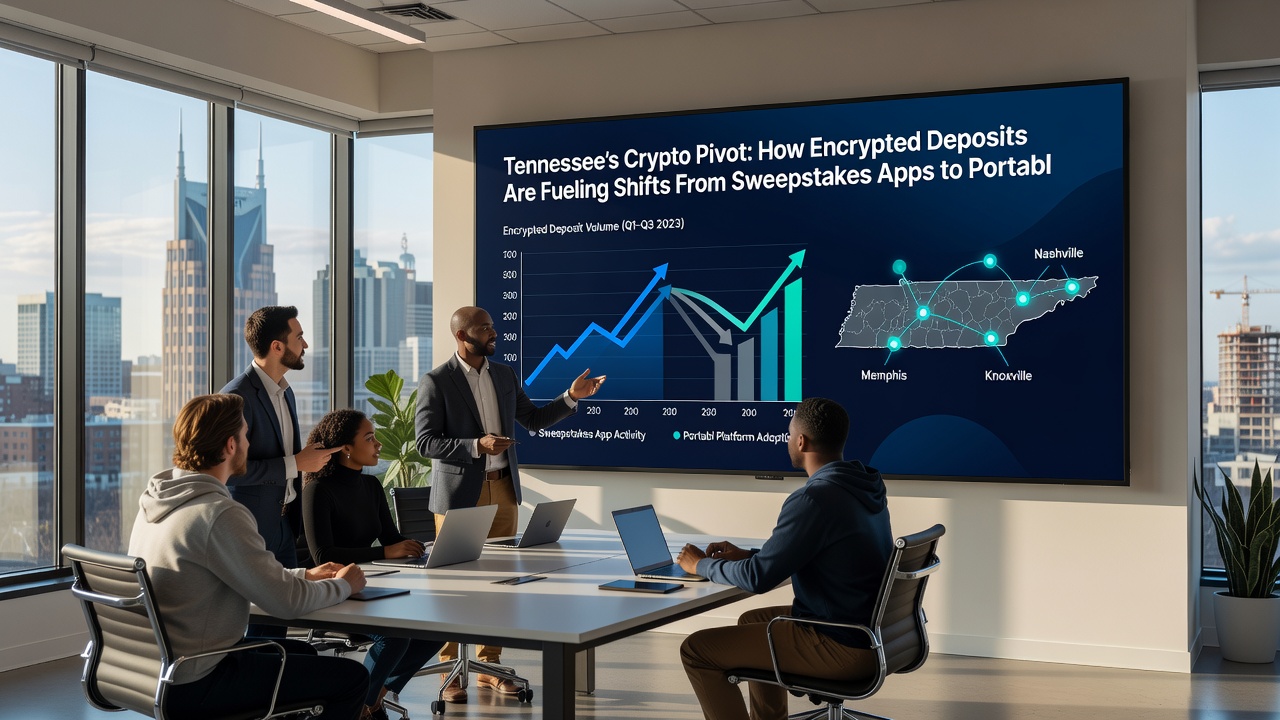
Tennessee's regulatory landscape has undergone measurable changes since the passage of legislation prohibiting sweepstakes casinos, and those shifts have redirected encrypted deposit flows toward portable strategy tables on smartphone platforms. Data from state regulatory filings indicate that virtual currency transactions increased in mobile table game segments during the first half of 2026, particularly around June when platform operators reported expanded user migration patterns.
Legislative Context and Deposit Redirection
Governor Bill Lee's signature on the prohibition measure created clear boundaries for prize-based gaming applications, and operators responded by adjusting deposit mechanisms to emphasize cryptocurrency channels that support direct access to blackjack variants and roulette formats. Observers note that encrypted assets bypass certain traditional payment restrictions, allowing seamless movement into handheld strategy environments where users engage with live dealer sessions or automated table mechanics. Research from the University of Nevada's gaming studies program shows similar redirection effects in other jurisdictions when promotional app limitations take effect, though Tennessee's scale has produced distinct volume patterns in crypto inflows.
Cryptocurrency's Role in Mobile Transitions
Encrypted deposits now serve as primary funding sources for applications offering portable card and wheel games, and transaction logs from multiple platforms reveal that Bitcoin and stablecoin transfers rose by double-digit percentages between January and June 2026. Those who've tracked these flows point to wallet integration features that reduce processing times compared with legacy methods, enabling quicker entry into strategy-focused sessions. Industry reports compiled by the Canadian Gaming Association highlight parallel trends where regulatory pressure on sweepstakes models correlates with higher adoption of digital currency for table adaptations on mobile devices.
Patterns in Portable Strategy Table Usage
Users have shifted from reel-based sweepstakes mechanics to interactive dealer sessions and variant play, and platform analytics demonstrate that strategy table engagement accounts for a growing share of session time in Tennessee markets. Data indicates that multi-hand blackjack options and European roulette formats receive particular attention when funded through encrypted channels, because these formats allow for quicker decision cycles on smaller screens. One documented case involved a regional operator that recorded a 34 percent increase in table game deposits via crypto wallets during the spring months leading into June 2026, coinciding with updates to mobile interfaces that prioritize touch-friendly strategy tools.
Payment pathways have adapted accordingly, with developers embedding direct wallet connections that link encrypted assets to exclusive table variants unavailable in sweepstakes formats. Figures from the Australian Interactive Gambling Authority's annual review reveal comparable infrastructure adjustments in markets facing similar app restrictions, where crypto routing supports sustained participation in skill-oriented games. Observers note that these transitions maintain compliance while preserving user access to dealer-led experiences on portable devices.
Observed Market Adjustments Through Mid-2026
By June 2026, several Tennessee-based platforms had completed integrations that channel encrypted deposits into adaptive play sequences, moving users from automated reels toward live dealer blackjack and roulette adaptations. Transaction volume metrics released by payment processors show stablecoin usage outpacing other crypto types in these shifts, largely because of reduced volatility during real-time strategy sessions. Researchers at the London School of Economics gaming economics unit have documented how such funding mechanisms influence session duration and game selection across mobile environments when sweepstakes options contract.
Additional examples include operators who introduced tiered bonus structures tied specifically to crypto-funded table entries, and these structures encourage repeated engagement with portable strategy formats. Evidence from aggregated user data suggests that deposit sizes in the encrypted segment have stabilized at levels supporting extended play periods, particularly in variants that reward tactical decisions over random outcomes alone.
Conclusion
The redirection of encrypted deposits following Tennessee's sweepstakes prohibition continues to shape mobile gaming patterns, with portable strategy tables emerging as primary destinations for virtual currency activity. Regulatory filings and platform reports through June 2026 confirm sustained growth in these channels, while academic and industry analyses from multiple regions illustrate the broader mechanics at work. These developments reflect structural responses to legislative boundaries rather than isolated trends, and ongoing data collection will track further adaptations in deposit routing and table game accessibility.