Payment Pathways Guiding Shifts Between Automated Reels and Interactive Dealer Sessions in Portable Settings
Written by Nils Jenkins · May 30, 2026
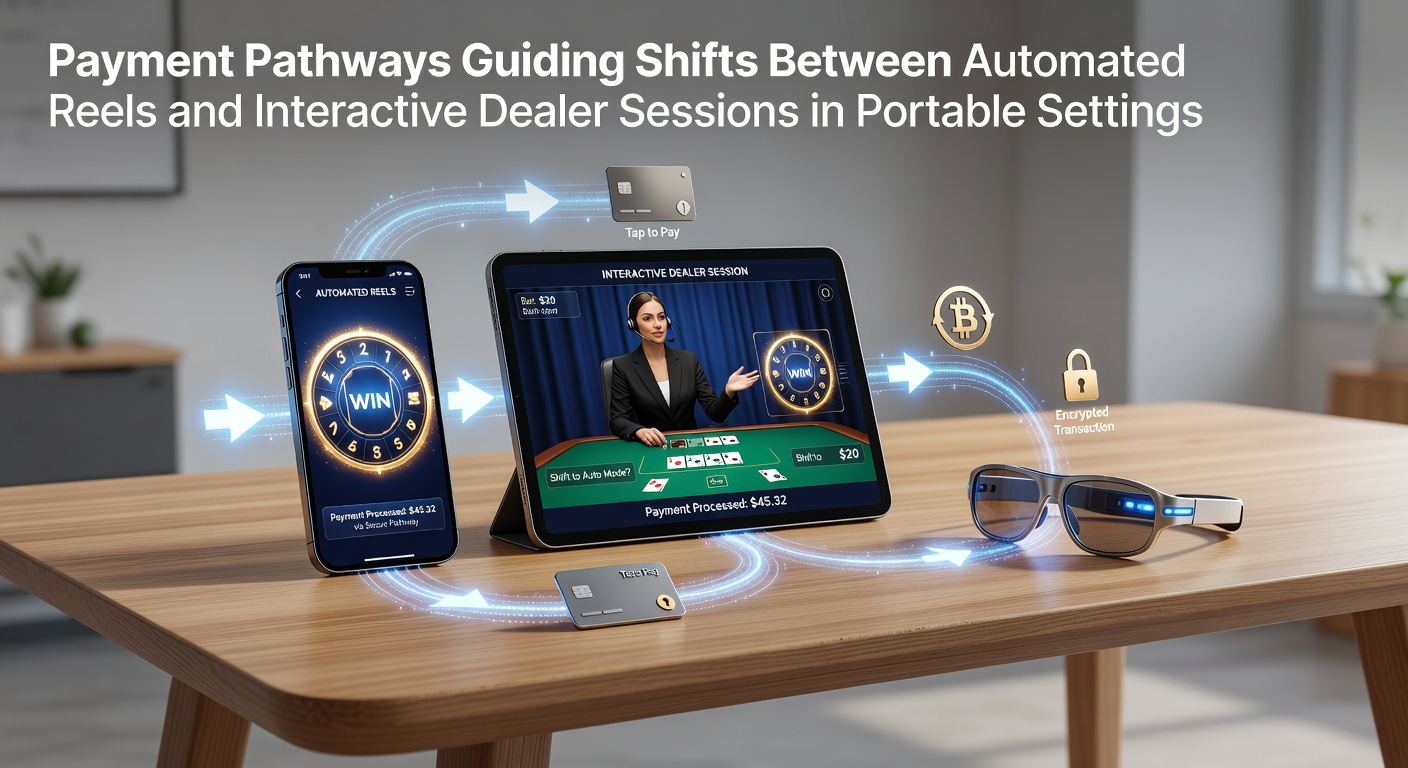
Payment Pathways Guiding Shifts Between Automated Reels and Interactive Dealer Sessions in Portable Settings
Payment systems in portable gaming environments have evolved to support fluid movement between automated reel games and live dealer sessions, where users maintain continuous access to funds without repeated verification steps. These pathways rely on integrated digital wallets, instant bank transfers, and tokenized card options that process deposits and withdrawals across game formats while adhering to regional licensing standards. Data from industry reports shows that mobile platforms now handle over 60 percent of all online wagering activity, with payment rails designed specifically to accommodate session switches that occur mid-play.
Core Mechanisms Enabling Session Transitions
Automated reels operate on random number generators that require quick, low-value transactions, whereas interactive dealer sessions often involve higher stakes and real-time interaction that demand reliable funding sources. Payment providers address this distinction through unified account balances that carry over automatically when a user exits one game type and enters another. Observers note that e-wallet services such as those offered by established processors complete these transfers in under three seconds on average, reducing friction during shifts from slot interfaces to video streams of table games.
Tokenization plays a central role here, since it replaces sensitive card details with secure codes that remain valid across different game servers. This approach complies with standards set by bodies including the Nevada Gaming Control Board, which oversees mobile operations in regulated markets. Users therefore avoid re-entering payment information each time they move between formats, a feature that has become standard in applications launched after 2023.
Regional Regulatory Influences on Payment Flows
Legislation in various jurisdictions shapes how these pathways function on portable devices. In New Jersey, the Division of Gaming Enforcement requires that all mobile transfers maintain audit trails, which in turn supports the tracking of funds as players alternate between reel-based and dealer-led experiences. Similar rules in Canadian provinces emphasize player protection through mandatory spending limits that apply uniformly regardless of game category.
Australian regulatory frameworks further illustrate this pattern, where the Australian Communications and Media Authority monitors cross-game payment activity to prevent unauthorized transfers. These requirements have prompted developers to build in-app notifications that alert users when balances drop below thresholds during live sessions following automated reel play. Research conducted by academic institutions indicates that such transparency measures correlate with steadier engagement patterns across both game types.
Technological Advancements Supporting Portability
By May 2026, advancements in 5G connectivity and edge computing are projected to further streamline payment confirmations during game switches, allowing near-instantaneous updates even in areas with variable signal strength. This infrastructure supports biometric authentication methods that verify identity once per session, then authorize subsequent moves between reels and dealer tables without additional prompts.
Industry organizations such as the American Gaming Association have documented rising adoption of cryptocurrency options in mobile environments, where blockchain ledgers provide transparent records of fund movements. These digital assets integrate with traditional banking rails through hybrid gateways, giving users flexibility when transitioning from quick spin sequences to extended dealer interactions that may span multiple rounds.
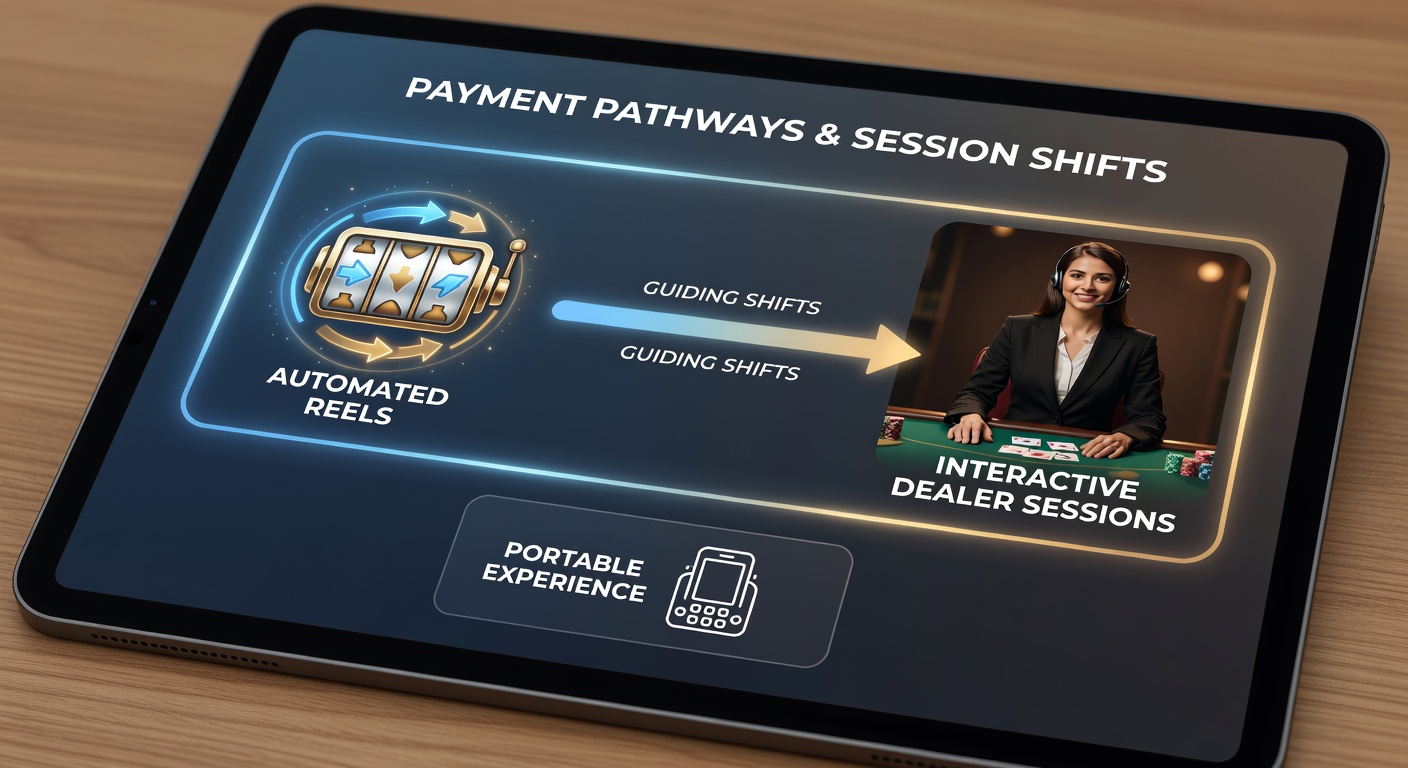
Case Examples from Operational Platforms
Take one operator in a European market that implemented unified payment ledgers in late 2024, resulting in documented increases in session duration as players shifted between formats without exiting the application. Data shows average deposit values remained consistent across transitions, suggesting that the payment design itself encouraged continued play rather than cashing out prematurely. Another example comes from a North American platform that partnered with regional banks to offer instant settlement options, which proved particularly useful during live dealer blackjack rounds that followed extended slot sessions.
These implementations demonstrate how backend systems reconcile different payout structures: reel games often credit small wins rapidly, while dealer sessions may require larger reserves for betting rounds. Payment pathways reconcile the disparity by pooling funds in a single accessible pool, visible on the mobile dashboard regardless of the active game.
Security Protocols and User Verification Standards
Security remains paramount when funds move across game categories on portable devices, with multi-factor authentication protocols required at initial login and during high-value transfers. Encryption standards established by international bodies ensure that transaction data stays protected even as users alternate between automated and interactive environments. Reports from research institutions highlight that platforms incorporating these layered protections experience fewer disputes related to payment timing during session changes.
Yet challenges persist in markets where cross-border play introduces currency conversion variables, requiring real-time exchange rate integration within the payment flow. Operators address this through partnerships that lock rates for the duration of a mobile session, thereby stabilizing the experience when moving from reel spins denominated in one currency to dealer tables in another.
Conclusion
Payment pathways that guide movement between automated reels and interactive dealer sessions in portable settings continue to develop in response to technological capabilities and regulatory expectations. These systems prioritize speed, security, and continuity, allowing users to maintain focus on gameplay while funds transfer seamlessly across formats. As mobile infrastructure advances further into 2026 and beyond, the integration of diverse payment methods will likely expand, supporting the growing volume of activity observed in regulated markets worldwide.