How Cryptocurrency Transactions Influence Access to Exclusive Table Game Variants on Smartphone Platforms
Written by Jordan Butler · Jun 1, 2026
How Cryptocurrency Transactions Influence Access to Exclusive Table Game Variants on Smartphone Platforms
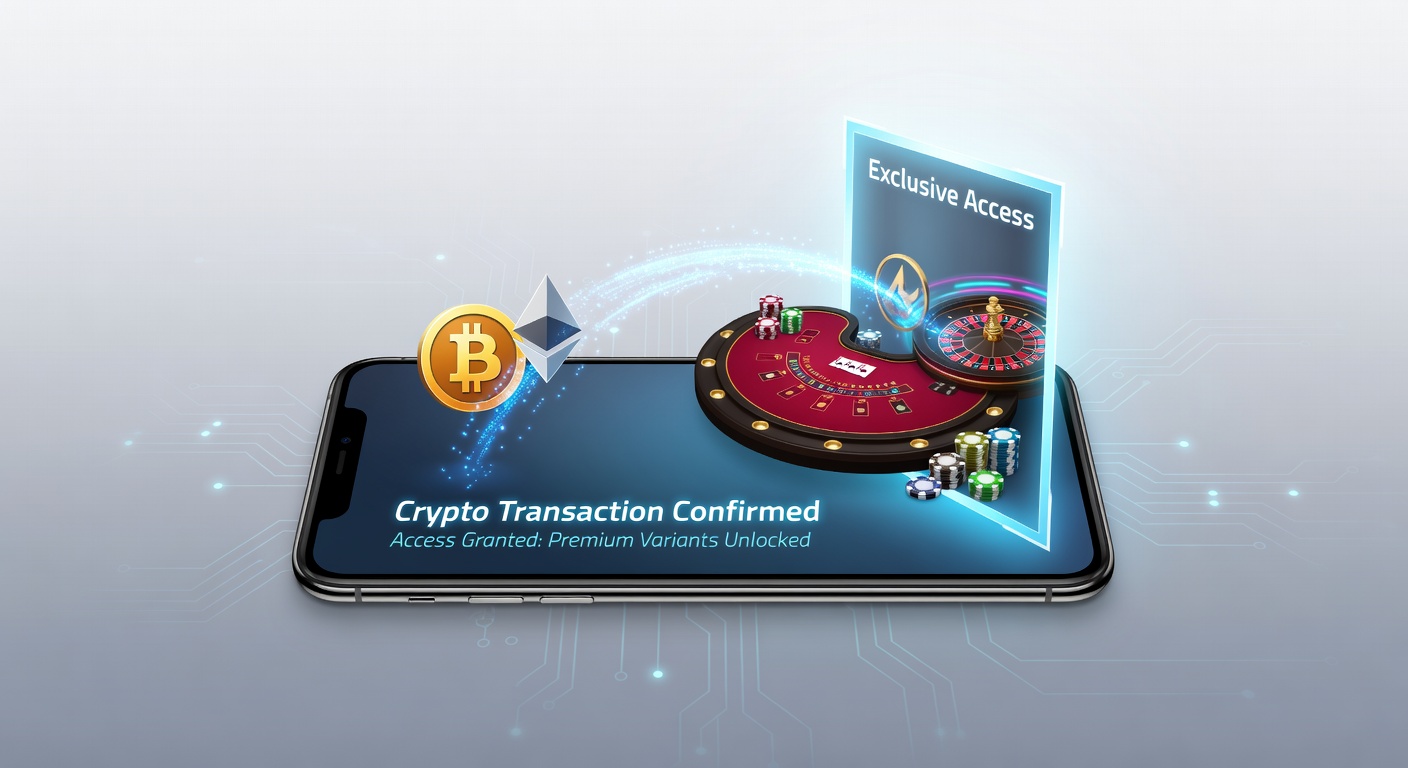
Digital currency transfers have reshaped entry points to specialized blackjack, poker and roulette formats available through mobile applications, and platforms now link deposit speed directly to tiered access systems that unlock private tables and variant rulesets once certain thresholds are met. Observers note that blockchain confirmations often complete within minutes rather than the hours sometimes required by card networks, which allows users to move from standard mobile lobbies into invite-only sessions featuring modified betting limits or provably fair mechanics without extended waiting periods.
Transaction Speed and Tiered Mobile Access
Research from payment analytics firms indicates that average Bitcoin settlement times on major gambling platforms hover around ten to twenty minutes during peak periods, while Ethereum-based transfers can finalize even faster when network congestion remains low. Those processing times translate into quicker satisfaction of minimum deposit requirements that many smartphone operators impose before granting entry to exclusive variants such as speed blackjack with accelerated rounds or multi-deck poker tables restricted to verified high-volume accounts. Data compiled by the Nevada Gaming Control Board shows a measurable uptick in mobile table game sessions initiated within the first hour after crypto deposits compared with traditional methods, suggesting the velocity of funds movement influences how rapidly players progress through loyalty tiers.
Smartphone applications further streamline this progression by embedding wallet connectivity that bypasses manual verification steps once a transaction hash is recorded on the blockchain. Users therefore encounter fewer interruptions when shifting from automated slot interfaces to live dealer environments that offer customized rule sets, and operators report that such seamless movement encourages longer engagement with premium content.
Regulatory Frameworks Across Regions
Authorities in different jurisdictions have responded to the rise of cryptocurrency deposits with varying degrees of oversight that directly affect which variants remain accessible on mobile devices. In the United States, guidance issued by the Financial Crimes Enforcement Network requires operators to maintain records of virtual currency transactions above certain thresholds, yet compliant platforms continue to offer exclusive roulette variants to users who complete verified transfers. Australian regulators, through updates from the Australian Communications and Media Authority, have emphasized consumer protection measures that include mandatory cooling-off periods after large crypto deposits, although these rules have not halted the availability of private poker tables on approved smartphone platforms.
Platforms operating under licenses from the Malta Gaming Authority similarly integrate crypto rails while adhering to anti-money laundering protocols, which means players who utilize approved stablecoins often gain faster entry to limited-seat blackjack variants that incorporate side bets unavailable in public lobbies. Observers note that these regional differences create a patchwork where transaction method determines not only speed but also the specific menu of exclusive games displayed on a user's device.

Provably Fair Mechanics and Mobile Exclusives
Many smartphone platforms now reserve certain table game variants exclusively for cryptocurrency users because blockchain technology enables transparent verification of random number generation. These provably fair versions of roulette or baccarat allow players to audit each outcome through public ledger data, and access typically requires an initial deposit conducted via supported digital assets. Figures released by industry research groups reveal that adoption of such variants increased notably in early 2026, coinciding with broader integration of layer-two scaling solutions that reduced transaction fees and confirmation delays on mobile networks.
Developers have also introduced hybrid formats that combine elements of traditional table play with smart-contract settlements, and these formats appear first in crypto-only sections of mobile applications. Players who complete qualifying transfers therefore encounter rule adaptations such as adjustable payout structures or community-funded prize pools that remain unavailable to those using slower payment rails.
Patterns Observed in June 2026
By June 2026, several major mobile operators had updated their applications to display crypto-specific lobbies immediately after transaction confirmation, and this change coincided with a documented rise in sessions involving exclusive variants. Reports from platform analytics teams indicate that users who deposited via cryptocurrency reached the required activity thresholds for private tables an average of forty percent sooner than those relying on bank transfers. Such acceleration has prompted operators to refine their algorithms that match players with available seats at limited-access games, ensuring that faster-moving funds translate into higher table occupancy rates during evening peak hours.
Conclusion
Cryptocurrency transactions continue to serve as a gateway mechanism that determines both the pace and the scope of access to specialized table game offerings on smartphone platforms. Regional regulations shape the boundaries within which these transfers operate, while technological improvements in confirmation speed and transparency expand the range of variants that become available once deposits clear. Data from multiple oversight bodies and industry monitors consistently demonstrate that the method of funding influences how quickly and extensively users can engage with premium mobile content, and this linkage is expected to persist as blockchain infrastructure evolves.