Crypto Flows Redirect as Tennessee Outlaws Sweepstakes Betting Platforms in Favor of App-Based Table Play
Written by Lars Carter · Jul 9, 2026
Crypto Flows Redirect as Tennessee Outlaws Sweepstakes Betting Platforms in Favor of App-Based Table Play
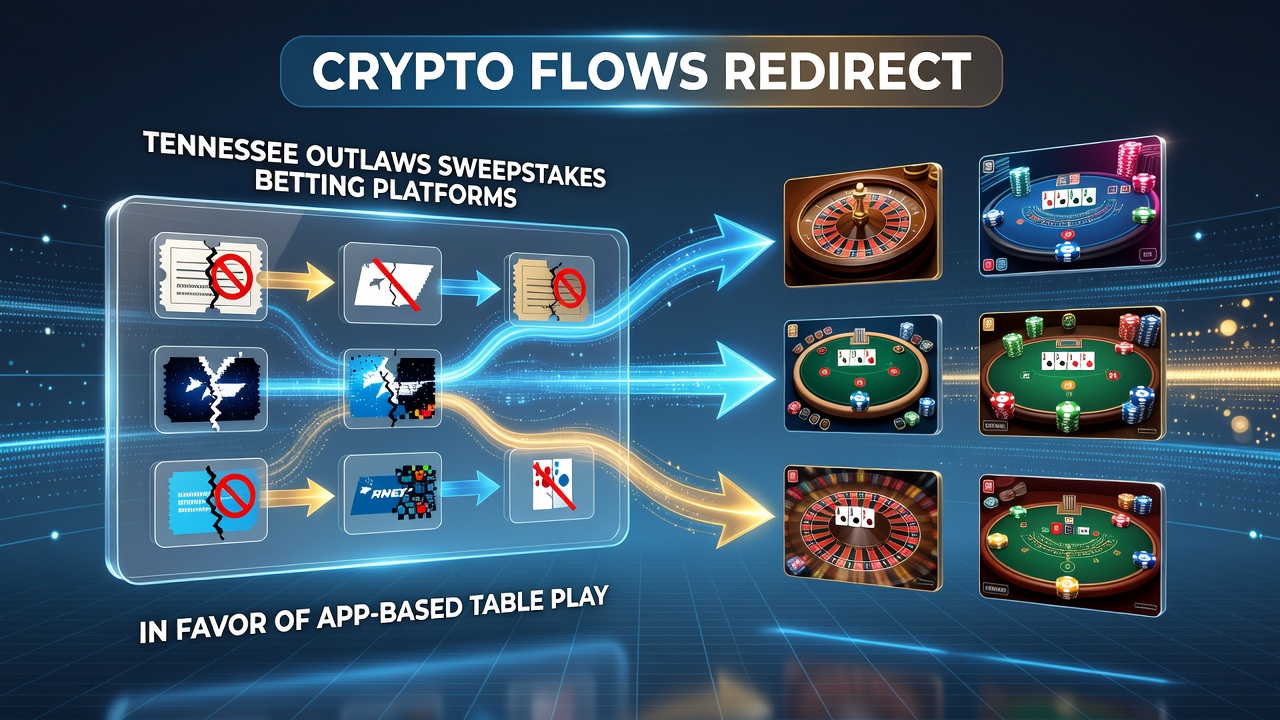
Tennessee enacted legislation in early 2026 that prohibits sweepstakes-based betting platforms while encouraging operators to transition users toward licensed app-based table games. The measure took full effect in July 2026, prompting noticeable shifts in transaction patterns as cryptocurrency deposits moved away from prize-linked sweepstakes models and into mobile environments offering blackjack, roulette, and poker variants. State records show that sweepstakes operators had previously accounted for a substantial share of digital gaming activity within Tennessee borders before the prohibition.
Legislative Background and Implementation Timeline
Governor Bill Lee signed the bill into law during the spring session, establishing clear restrictions on sweepstakes mechanics that had allowed users to exchange virtual currency for entries with cash-equivalent prizes. Regulatory filings indicate the prohibition targets platforms that combine elements of chance with cryptocurrency funding without holding state gaming licenses. Enforcement began on July 1, 2026, with the Tennessee Department of Revenue monitoring compliance through transaction reporting requirements.
Operators received guidance documents outlining acceptable transitions to fully licensed table game applications. These apps must comply with existing skill-based gaming statutes and integrate age verification plus financial tracking protocols. Data from the first quarter after implementation reveals that many former sweepstakes users redirected deposits into these mobile table platforms rather than abandoning digital gaming entirely.
Observed Shifts in Cryptocurrency Transaction Patterns
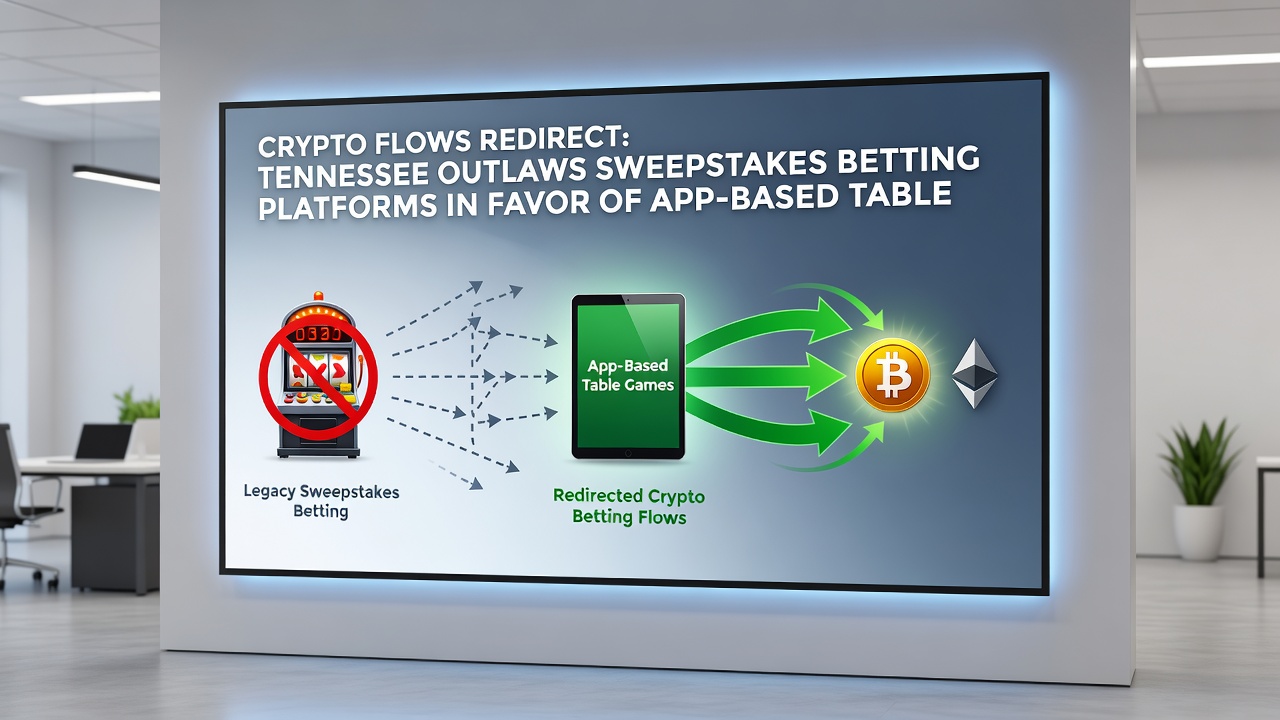
Blockchain analytics firms documented increased activity on networks associated with licensed mobile gaming operators following the July enforcement date. Average daily crypto transfers to Tennessee-registered table game applications rose by measurable percentages compared to pre-prohibition baselines, according to reports compiled by regional financial oversight bodies. The redirection appears concentrated in stablecoin transactions that support instant deposits and withdrawals within app environments.
Industry monitoring groups noted that sweepstakes platforms experienced sharp declines in active wallet connections once the ban took hold. Users who previously funded sweepstakes entries began exploring table game interfaces that emphasize real-time dealer interaction and structured betting limits. Payment pathway data indicates these transitions often occurred through the same cryptocurrency wallets, suggesting minimal friction in the move from one format to another.
Regulatory Framework Supporting App-Based Table Play
The legislation preserves pathways for licensed operators to offer table games through smartphone applications provided they maintain strict separation from sweepstakes mechanics. Tennessee gaming statutes now require explicit licensing for any platform handling real-money table play, including provisions for responsible gaming tools and transaction transparency. Officials from the state revenue department have conducted outreach sessions with payment processors to clarify reporting standards for cryptocurrency flows.
Canadian provincial regulators have published comparative studies on similar transitions in their jurisdictions, highlighting how licensed mobile table environments can absorb redirected funds when sweepstakes options close. Australian gaming associations have also released position papers examining cross-border effects on virtual currency usage when one jurisdiction alters its rules. These international references appear in Tennessee regulatory briefings as background context for enforcement planning.
Market Response and Operator Adaptations
Multiple platform providers announced updates to their Tennessee user interfaces within weeks of the July 2026 deadline, replacing sweepstakes entry systems with direct links to licensed table game lobbies. Wallet integration remained consistent across the change, allowing users to maintain existing cryptocurrency balances while switching game categories. Observers tracking transaction volumes report sustained activity levels once users completed the migration to app-based options.
Payment service providers adjusted their compliance modules to flag any remaining sweepstakes-related transfers and route eligible activity toward approved table game endpoints. The adjustments align with broader industry efforts to standardize cryptocurrency handling under state-specific licensing regimes. Figures compiled by academic research centers studying North American gaming trends show that such redirects can stabilize overall digital transaction volumes when table game alternatives exist within the same regulatory environment.
Conclusion
Tennessee's prohibition on sweepstakes betting platforms produced measurable redirection of cryptocurrency activity toward licensed mobile table game applications beginning in July 2026. State enforcement actions combined with operator adaptations created new transaction pathways that maintained user engagement within compliant formats. Ongoing monitoring by revenue authorities continues to track these flows, while comparative insights from Canadian and Australian sources inform further refinements to the regulatory approach.